Email Marketing for Ecommerce

Most ecommerce stores run the same playbook. Drive traffic with paid ads, hope enough of it converts, and watch cost-per-acquisition creep up every quarter. If that sounds familiar, this guide is for you. Email marketing is not a magic fix. It addresses the core problem paid ads never will, what happens after someone visits your store.
This guide covers the ecommerce email campaigns every store needs, how segmentation lifts results without adding volume, why deliverability is the silent killer of email programs, and an honest framework for deciding whether to handle this yourself or bring in help.
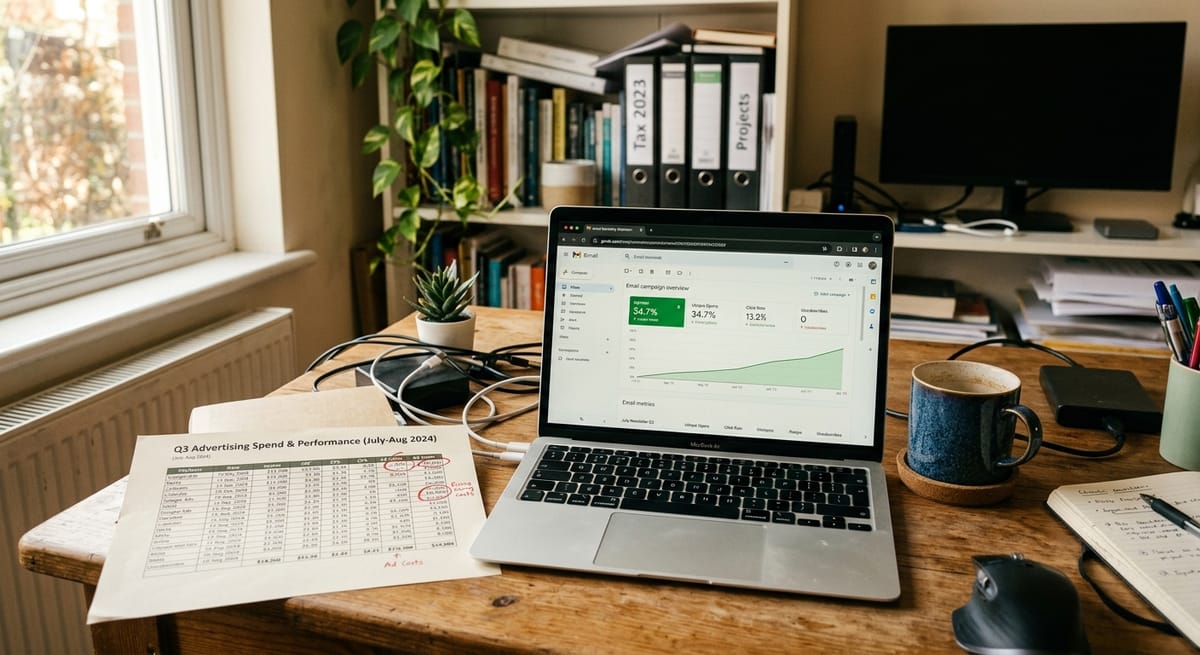
Your email list is a store asset. Your Instagram following is not. Your Meta ad audience is not. When Meta changes its algorithm, raises CPMs, or suspends an account, those audiences disappear. The email list you built over the same period still works tomorrow.
This compounding nature is what makes email marketing for ecommerce structurally different from paid advertising. Every subscriber captured today has potential value for years. A paid ad campaign delivers value for exactly the duration of its budget. When you stop paying, it stops working. Your email list doesn't behave that way, and that distinction is at the heart of any serious customer retention strategy.
| Email Marketing | Meta Ads | |
|---|---|---|
| Cost per acquisition trajectory | Decreases as list grows | Typically increases over time |
| Platform dependency | None, you own the list | High, subject to algorithm and policy changes |
| Compounding value | Yes, subscribers accumulate | No, reach resets with each campaign |
| Average ROI | $36-$42 per $1 spent | Varies widely, typically $2-$10 per $1 spent |
The ROI gap exists because ecommerce email campaigns reach people who already expressed interest in your brand. You're not paying to reach cold audiences at scale. You're communicating directly with people who opted in.
This isn't an argument for abandoning paid advertising. The strongest ecommerce operators use both. Paid ads to acquire new customers, email to retain and monetize them. Running paid ads without a customer retention strategy means paying to acquire customers you have no systematic plan to bring back. Every repeat purchase that doesn't happen is revenue you already paid to generate, left on the table.

Think of email automation as infrastructure, not marketing. You build it once. It runs continuously and generates revenue without daily attention. These four flows are the foundation of any effective customer retention strategy.
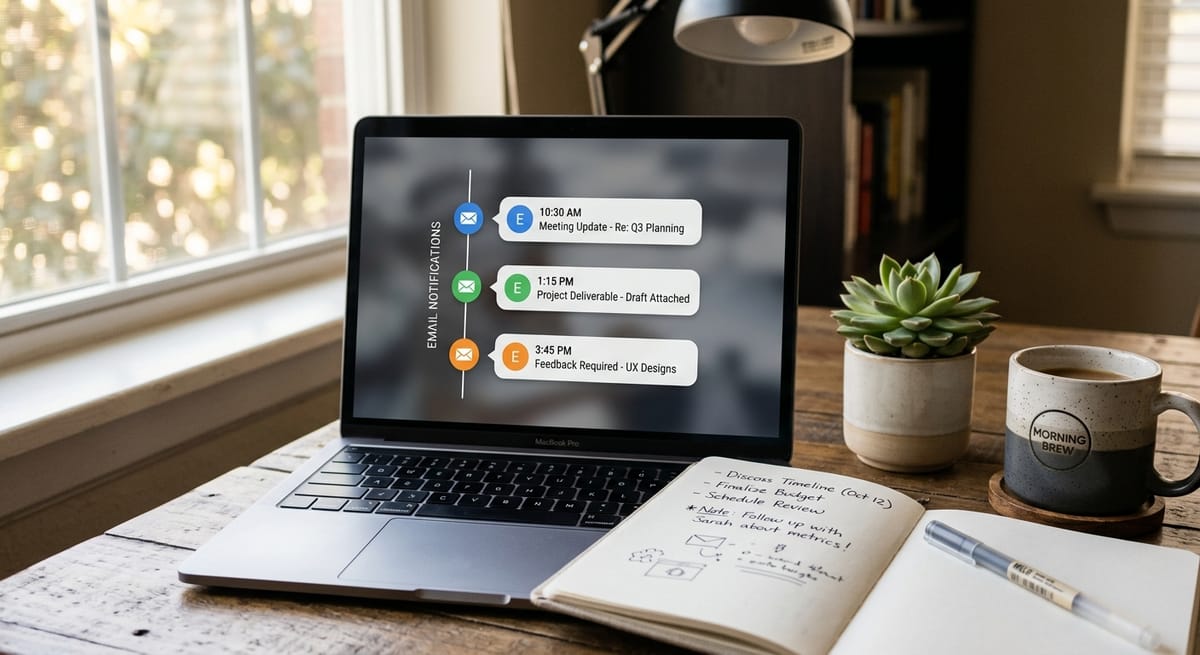
Timing: Day 0, Day 2, Day 5
Welcome emails carry the highest open rates of any ecommerce email campaign type, averaging 40-60%, because the subscriber just raised their hand. This is your best shot at converting a new subscriber into a first-time buyer before momentum fades.
A functional welcome series covers brand story and why you exist (Day 0), social proof and what customers say (Day 2), and a first-purchase incentive (Day 5). Too fast feels aggressive. Too slow loses the moment.

Timing: 1 hour, 24 hours, 72 hours
Cart abandonment rates run approximately 73% for most ecommerce stores. A properly sequenced recovery flow brings back 5-15% of those abandonments, which is a direct reduction in effective customer acquisition cost.
For Email 1, plain and direct beats hype. "You left something behind" outperforms "Don't miss out!!" for most ecommerce audiences.
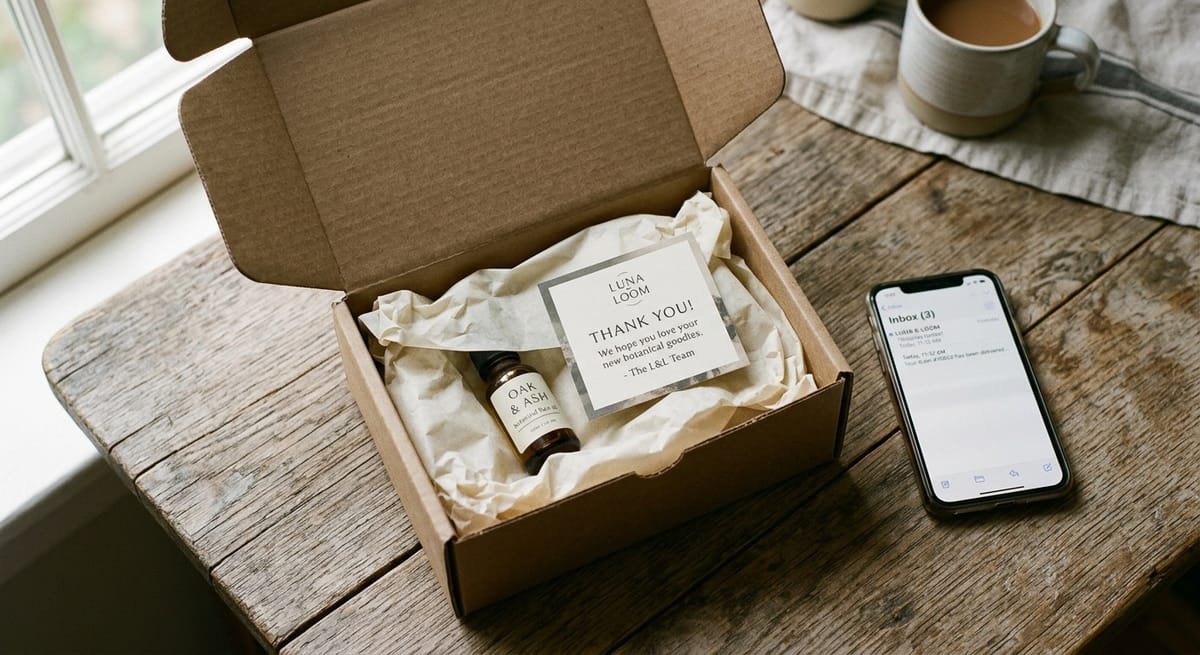
The post-purchase period is where customer lifetime value is built or squandered. Most stores treat it as administrative. Order confirmation, shipping update, done. That's a missed opportunity.
A revenue-focused sequence runs order confirmation, shipping update, product usage tips (Day 3-5), review request (Day 7-10), and cross-sell offer (Day 14). The goal is creating a reason for a second purchase before the first has faded. Pair this with conversion rate optimization on your product pages and you've connected the full acquisition-to-retention loop.
A lapsed customer costs less to re-engage than a new customer to acquire, which makes win-back campaigns one of the highest-leverage moves for reducing customer acquisition cost. The emotional angle ("we miss you") performs well for brand-loyal segments. An offer-led approach performs better for price-sensitive buyers. Test both.
If a subscriber goes through a full win-back sequence and still doesn't engage, suppress them. Keeping chronically unengaged subscribers damages deliverability for everyone else on your list.
Segmentation separates stores running an email program from stores running an email strategy. You don't need dozens of segments. You need the right four.
| Segment | Definition | Goal |
|---|---|---|
| First-time buyers | 1 purchase, no repeat | Drive second purchase |
| Repeat buyers | 2+ purchases | Increase purchase frequency |
| VIP customers | High AOV or high frequency | Maximize CLV, reduce churn |
| Lapsed customers | No purchase in 90+ days | Re-engage before suppression |
A list of 1,000 subscribers segmented into these four groups will consistently outperform a batch-and-blast list of 10,000 unfiltered contacts. Volume isn't the variable. Relevance is.
Platforms like Klaviyo and Omnisend support dynamic product recommendation blocks based on browse and purchase history, no custom development required. A subscriber who browsed hiking boots gets an email featuring hiking boots, not your current clearance sale. Location-based seasonal relevance, predicted repurchase timing, and engagement-tier send frequency all fall into this category, available natively in either platform.
You can build perfect flows and tight segmentation and still have your emails land in spam. Deliverability is the technical foundation that determines whether any of this works.
Three protocols protect your sender reputation. According to DMARC.org, they form the technical standard inbox providers use to verify legitimate senders.
Platforms like Klaviyo and Omnisend guide you through authentication setup in under an hour. Before launching your first ecommerce email campaign, check your authentication status at mail-tester.com. It scores your setup and flags specific issues, free, in about three minutes.
Inbox providers score your sending domain based on engagement. High bounce rates, spam complaints, and low open rates drag that score down. That pushes future emails into spam even for subscribers who want them.
Practical hygiene rules:
List quality beats list size. Every time.
Every SaaS email platform pushes DIY because their business model depends on it. Most agencies avoid this conversation because the honest answer doesn't always favor hiring out. Here's the actual framework.
DIY works when your store is in early revenue stages and you have time to dedicate to it, you have technical aptitude and learn tools quickly, you understand what to build and just need to execute, and you're willing to commit 3-6 months of consistent iteration to see meaningful results.
Klaviyo and Omnisend both offer pre-built flow templates and documentation that make solo implementation of a customer retention strategy achievable.
The calculus shifts when the opportunity cost of your time exceeds the cost of professional help, you don't know what to build or why your ecommerce email campaigns underperform, you're running paid ads without a retention layer and every day without email flows is measurable lost revenue, or you've tried DIY and results have plateaued.
If your ecommerce store is on Shopify or WooCommerce and you're in the second or third scenario, working with a specialist compresses your timeline considerably. Our email marketing services build the flows above, and our free business audit will tell you which ones are worth building first for your store.
Related Reading:
How many emails should an ecommerce store send per week? Most stores perform well at 2-4 emails per week. Automated flows (abandoned cart, welcome series) send based on behavior rather than a schedule and don't count toward this limit. Promotional ecommerce email campaigns above 3-4 per week require strong segmentation to avoid list fatigue and rising unsubscribe rates.
What is the average ROI of email marketing for ecommerce stores? Industry benchmarks cite an average return of $36-$42 for every $1 spent on email marketing. Stores running a full automation sequence, welcome through win-back, consistently outperform those sending only promotional campaigns because automated flows reach subscribers at high-intent behavioral moments.
Do I need a big email list to build a customer retention strategy? No. A list of 1,000 engaged, segmented subscribers generates more revenue than 10,000 cold or unengaged contacts. Inbox providers also reward senders whose audiences consistently open and click, making a smaller, cleaner list better for both revenue and long-term deliverability.
Which email platform is best for Shopify ecommerce stores? Klaviyo and Omnisend are the most widely used for Shopify ecommerce email campaigns. Klaviyo suits stores prioritizing advanced segmentation and analytics. Omnisend works well for stores that want email and SMS marketing in a single platform. Both offer native Shopify integrations and pre-built automation flow templates.
How long does it take for ecommerce email marketing to show results? Abandoned cart and welcome series flows generate measurable revenue within 2-4 weeks of setup. Broader improvements, better customer retention rates, higher lifetime value, reduced customer acquisition cost, typically become visible within 60-90 days of a fully configured program running consistently.
What is the biggest technical mistake ecommerce stores make with email marketing? Skipping domain authentication. SPF, DKIM, and DMARC setup tells inbox providers your ecommerce email campaigns are legitimate. Without it, even well-crafted campaigns land in spam. Most email platforms guide you through setup in under an hour.
Should ecommerce stores use the same email sequence for every product category? No. Product categories with different purchase cycles, price points, or buyer intent benefit from tailored sequences. A consumable product repurchased every 30 days warrants a replenishment reminder. A high-consideration purchase warrants a longer post-purchase onboarding sequence. Segmenting by product type is one of the highest-leverage moves available in most email platforms and meaningfully strengthens your overall customer retention strategy.
Discover more insights from our latest articles


